

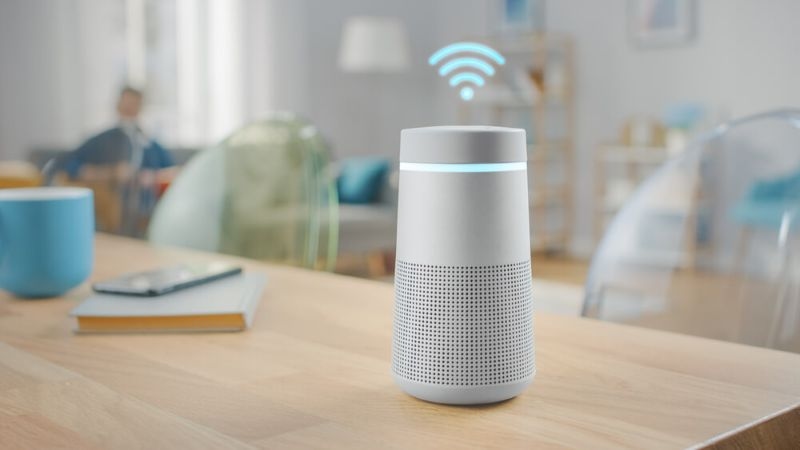
A smart speaker is a device that can be voice-controlled by the user. It can respond to your spoken commands and perform the given instructions. It works as a voice assistant device that can support your home audio control and connect with other systems smoothly.
In this blog, you will learn how such a device can fit into your daily life and how sound quality speaker features matter. It will also help you with methods that you can use to maintain smart speakers properly at home in the long run.
A voice assistant device is designed to respond to spoken commands in a calm and steady way. It listens, processes what is said, and replies with useful actions. This simple interaction slowly becomes part of everyday life without feeling forced.
In many homes, a voice assistant device starts with small tasks. It answers basic questions, sets reminders, or helps with daily planning. These tasks are simple, yet they reduce mental effort. Over time, this support becomes familiar and expected.
What makes a voice assistant device useful is how natural it feels. Speaking is easier than typing, especially during busy moments. While cooking, cleaning, or working, hands-free control feels convenient. It does not interrupt the flow of the day. It stays helpful, but quiet when not needed.
Sound quality and speaker performance play a strong role in comfort. Clear sound is essential not only for music but also for hearing the spoken responses. You will notice that when the audio is sharp or unclear, it can damage your listening experience over time.
Therefore, if you want to experience the best experience, consider the following setting for each room:
Lastly, you should also understand that furniture and room layout also have a huge impact on the speaker’s sound quality output.
Speaker compatibility defines how smoothly the device connects with systems already in the home. Many homes use connected lights, switches, or other basic setups. A device with good speaker compatibility works without repeated adjustments.
When compatibility is weak, daily use feels frustrating. Commands may not respond or need repetition. Strong speaker compatibility keeps responses steady and reliable. This consistency makes the device feel dependable.
Speaker compatibility also supports future changes. Homes often grow with new additions. A flexible device allows new systems to connect easily. This avoids the need for early replacement and supports long-term use.
Smart home integration allows one device to control many connected systems. Lighting, temperature, and other features respond to voice commands. When integration works well, everything feels connected.
Daily routines become easier with smart home integration. Simple spoken instructions replace physical movement. This helps during busy mornings or slow evenings. The system responds in the same way each time.
Consistency matters. Smart home integration removes guesswork by keeping commands familiar. Over time, users trust the system. It becomes part of the home rhythm without effort.
Home audio control covers more than just playing music. It includes adjusting volume, switching sound sources, and managing audio in different rooms. Voice commands make these actions quick.
With smooth home audio control, people do not stop what they are doing. Sound adjustments happen naturally during daily activities. This keeps moments uninterrupted.
In shared spaces, home audio control helps reduce small conflicts. Anyone can change sound levels easily. Voice-based control keeps shared living calm and simple.
Below are clear points that help guide the final decision. These points reflect real use, not technical details.
Each room serves a purpose. Bedrooms need a gentle sound. Common spaces need a wider reach. Matching the sound quality of the speaker output to the room size improves comfort. This prevents frequent adjustments and supports smooth daily use.
A device should understand natural speech. A voice assistant device that responds clearly reduces repeated commands. This smooth interaction builds confidence and encourages regular use.
Homes change over time. Planning for speaker compatibility helps support future systems. A device that supports smart home integration adapts without stress. This supports long-term value.
To make sure that your smart speakers are functioning properly in the long run, it is essential for you to maintain them properly:
Dust slowly builds up on speaker surfaces and small openings. Therefore, you should wipe the outer body slowly with a dry cloth to make sure that the sound remains clear and there is no blockage.
Most smart speakers work perfectly when the areas are dry. Thus, you should never place them near wet spots like sinks or windows. You can do this to avoid internal damage and keep its performance steady for the long run.
You can use a flat and stable surface to prevent accidental falls. This is the reason a proper placement is essential, as it allows the speaker to read voice commands clearly.
Choosing the right device depends on room needs, daily habits, and future plans. Focus on sound, compatibility, and ease of use. Clear choices lead to steady comfort and simple daily living at home.
A voice assistant device responds to spoken commands. It helps with reminders, questions, and controls without manual effort.
It is essential because the speaker provides clear audio. This will support you to enjoy comfortable long listening periods.
Speaker compatibility means the device works smoothly with other home systems. This supports steady control.
Home audio control allows easy sound changes using voice commands. This keeps shared spaces calm.
This content was created by AI